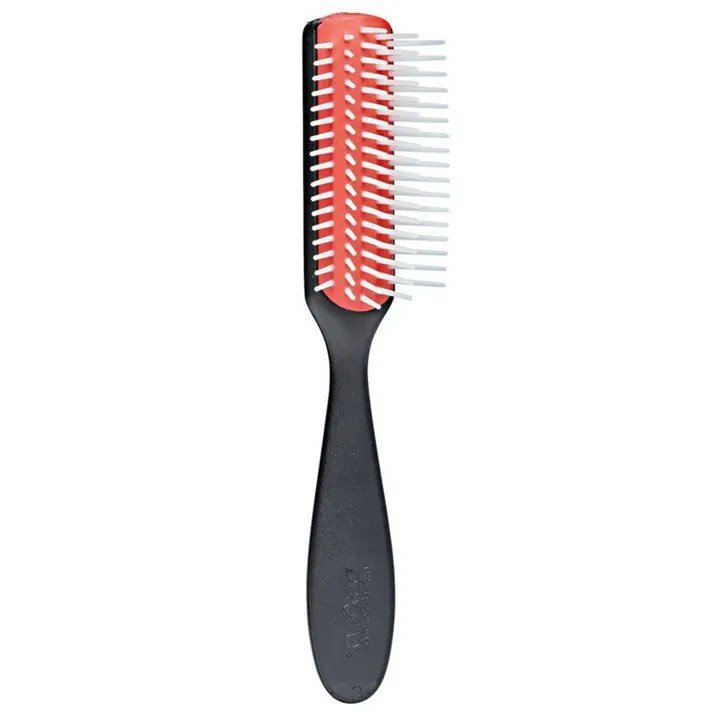
Few experiences are as frustrating as battling through tangled hair. The snagging, the pulling, the inevitable breakage – it’s enough to make you consider a buzz cut. But what if there was a better way? A way to glide through knots effortlessly, leaving your hair smooth, healthy, and happy? That’s where the Best Detangling Brushes & Combs come in. These aren't just any brushes; they're purpose-built tools designed to untangle your strands with minimal damage, transforming a dreaded chore into a surprisingly pleasant ritual.
Imagine a world where your brush works with your hair, not against it. That's the promise of a great detangling tool, and finding the right one can revolutionize your hair care routine.
At a Glance: Your Quick Detangling Brush Guide
- What they do: Detangling brushes use flexible bristles to gently loosen knots without pulling or breakage.
- How to use: Always start at the ends of your hair and work your way up to the roots, using a detangling spray on wet hair.
- Brush vs. Comb: Wide-tooth combs are best for thick, curly wet hair. Detangling brushes are great for fine wet hair or any dry hair with product.
- Hair Type Matters: Different hair types need different bristle flexibility and brush shapes.
- Key Features: Look for flexible, smooth bristles (avoiding "balls" on ends for most hair types) and durable materials like nylon or plastic, especially for wet use.
- Wet Hair Warning: Hair is most fragile when wet. Use a dedicated wet detangling brush and product.
- When to replace: If bristles are damaged, missing, or lack tension. Wash weekly with mild soap.
The Detangling Dilemma: Why Your Hair Needs the Right Tool
Let’s be honest: standard hairbrushes often feel like they're fighting a losing battle against knots. They snag, they pull, and they leave a trail of broken strands in their wake. This isn't just annoying; it's genuinely damaging to your hair's health over time. Detangling brushes, however, are specifically engineered to navigate tangles with grace, not brute force.
Detangling Brushes vs. Regular Brushes: The Flexible Difference
The secret lies in their unique design. Unlike the stiff bristles of a traditional brush, detangling brushes feature thinner, much more flexible bristles. Think of them as tiny, patient fingers that bend and slide through snags rather than digging in and pulling. This flexibility is crucial; it allows the bristles to untangle without overstretching your hair or getting stuck, significantly reducing damage and breakage. This simple innovation makes a world of difference, especially when your hair is at its most vulnerable.
The Right Way to Detangle: Ends First, Always
Even the best detangling brush needs a little help from good technique. The golden rule? Always start at the ends of your hair, brushing downwards, and gradually work your way up towards the roots. This method allows you to gently release smaller tangles before tackling larger ones, preventing you from pushing knots further down and creating bigger problems. Patience is a virtue here, especially with stubborn knots. And for an extra boost of slip and protection, especially on wet strands, always reach for a quality detangling product.
Brush or Comb? Matching the Tool to Your Hair Moment
The age-old question: brush or comb? The answer isn't one-size-fits-all; it depends heavily on your hair type and whether your hair is wet or dry. Each tool has its sweet spot.
When a Wide-Tooth Comb Shines
If you have thick, curly, or coily hair, especially during or immediately after a shower, a wide-tooth comb is your best friend. Its broad spaces between the teeth are perfect for separating larger clumps of hair without snagging. Hair is most fragile when wet, making a wide-tooth comb an excellent choice to gently detangle and distribute conditioner with minimal tension. It's a foundational tool for preserving the integrity of your curl pattern.
When a Detangling Brush Is Your Best Bet
For efficiency and thoroughness, a detangling brush often outperforms a comb. With its larger surface area and numerous bristles, it can cover more ground quickly. This makes it particularly suitable for fine, wet hair, where the flexible bristles can detangle without causing excess tension. It's also an excellent choice for any type of dry hair, provided you're using a detangling product to add slip. The multitude of flexible bristles ensures that every strand gets attention, leading to smoother, more uniform detangling.
Finding Your Perfect Match: Detangling Brushes by Hair Type
Just like you wouldn’t use a screwdriver for every household repair, you shouldn’t use the same detangling brush for every hair type. What works wonders for fine hair might struggle with thick curls, and vice versa. Matching your brush to your unique hair texture is key to truly effortless, damage-free detangling.
For Fine, Fragile, or Damaged Strands
If your hair is fine, prone to breakage, or currently recovering from damage, gentleness is paramount. You need a brush with very soft and flexible bristles. These bristles will bend and give way easily, minimizing any tugging or pulling that could further stress delicate strands. Look for designs that prioritize smoothness and minimal friction.
For Straight, Wavy, Medium-to-Thick Hair
Those with straight, wavy, or medium-to-thick hair can handle a bit more structure. Slightly stiffer, sturdier bristles will be more effective at working through tangles without feeling overly harsh. These bristles still need to be flexible enough to prevent breakage but possess the strength to navigate through denser hair.
For Curly or Textured Hair
Curly, coily, and highly textured hair demands a specific approach. Here, brushes with shorter bristles on a flexible base, or those with separated rows that can fan out gently, are ideal. These designs allow the brush to move through defined curl patterns without disrupting them or causing frizz. They work to separate and define curls rather than pulling them apart.
For Long and/or Thick Hair
If you're blessed with a generous mane, coverage and speed are your allies. A paddle brush is highly recommended for long and/or thick hair. Its large, flat head allows you to detangle wider sections of hair at once, significantly speeding up the process. This broad sweep minimizes the time spent brushing, which is a blessing for anyone with a lot of hair to manage.
For Medium Lengths & Shorter, Straight or Wavy Hair
For those with medium-length hair or shorter, straight, or wavy styles, an oval brush often hits the sweet spot. Its versatile shape and size make it easy to maneuver, providing efficient detangling without being overly bulky. It's a great all-around choice for everyday use.
Beyond Hair Type: Key Features That Make a Difference
Once you've narrowed down the general type of brush you need for your hair, it's time to dive into the nitty-gritty details. A few specific features can elevate a good detangling brush to a truly great one.
The Bristle Blueprint: Flexibility Is Freedom
We can't stress this enough: bristle flexibility is non-negotiable for preventing damage and pulling. Your bristles should bend and give way rather than resisting and breaking your hair. A common pitfall to avoid is brushes with "balls" on the ends of the bristles. While they might feel good on the scalp, these tiny spheres can actually grasp hair strands, leading to breakage. Instead, seek out smooth bristles that glide through your hair. For straight, fine, or wavy hair, thinner bristles tend to be gentler and more effective.
Material Matters: Wet-Friendly Choices
Consider where and how you’ll be using your brush most often. If it's primarily for wet detangling in the shower, look for durable materials like nylon or plastic bristles. These can withstand constant exposure to water without degrading, and they’re easy to clean. Wooden brushes offer a luxurious feel and are generally good for dry hair, but they require more upkeep and should never be left in wet environments, as moisture can cause warping or mold.
Tackling Wet Hair: A Special Consideration
The advice on brushing wet hair can feel contradictory, but understanding why hair behaves differently when wet is key.
The Fragility Factor: Why Wet Hair Needs Extra Care
Hair is at its most vulnerable and fragile state when wet. The outer layer, or cuticle, swells with water, making strands more elastic and prone to stretching and snapping. This is why brushing straight wet hair can sometimes cause more breakage than brushing it dry. It's crucial to be extra gentle and always use a detangling product to add slip. When brushing wet, specifically reach for a detangling brush designed for wet use – these often have even more flexible bristles and are made from waterproof materials.
Curly Hair Exception: When Wet Brushing Is Best
Here's where things differ: for curly and coily hair, detangling while wet is often preferred, even essential. Wet strands, saturated with conditioner, provide the necessary slip to detangle without disrupting the curl pattern and causing frizz. The elasticity of wet curly hair allows for gentle manipulation, and using a dedicated wet detangling brush helps to clump curls together, enhancing definition. Just remember to be patient, work in sections, and use plenty of conditioner or a detangling spray.
Our Top Picks: The Best Detangling Brushes & Combs You Can Buy
Choosing the right detangling tool can feel overwhelming, but thankfully, experts have put many to the test. Brands like Good Housekeeping Institute's Beauty Lab and Byrdie meticulously evaluate hundreds of hair products and tools. Good Housekeeping, for instance, collected data from 784 questions across 49 questionnaires, involving panels of diverse hair types and ages. Byrdie's methodology involved three testers with fine (2A), curly (2C), and coily (4C) hair, using each brush at least twice over a 4-week period in various scenarios (wet, dry, post-blowout), consulting expert hairstylists along the way.
These rigorous tests help us separate the hype from the truly effective. Based on their findings and our own expertise, here are the detangling brushes that consistently deliver:
Best Overall: Wet Brush Original
- Hair Type: All
- Shape: Oval
- Bristle Material: Nylon IntelliFlex bristles
- Wet or Dry: Both
The Wet Brush Original has earned its "best overall" title for a reason: it's incredibly effective and versatile. It excels at untangling both wet and dry hair, often in just 2-3 passes. Its soft, ball-tipped IntelliFlex bristles are gentle enough to massage the scalp while working through knots, and the comfortable plastic handle makes for an easy grip. Users often report reduced frizz and no static, making it a reliable daily driver. While generally excellent, some users with very fine, dry hair might find it snags slightly if not sectioned properly, but this is a minor caveat for an otherwise stellar performer. This brush represents a fantastic balance of efficiency and gentleness for nearly everyone. You might be surprised at how much easier your hair care routine becomes with a dedicated detangling tool; it can even make your hair feel healthier and more manageable over time. Want to explore further into detangling solutions? You might find it useful to learn more about Tangle Max and its innovative approach to hair care for even more advanced options.
Best for Fine Hair: Tangle Teezer The Ultimate Detangler
- Hair Type: All
- Shape: Oblong
- Bristle Material: Plastic
- Wet or Dry: Both
The Tangle Teezer Ultimate Detangler is a standout, especially for fine hair, though its "all hair type" designation is well-deserved. Its unique two-tiered plastic bristles are designed to detangle and smooth simultaneously, making quick work of knots while also reducing flyaways. The slim, easy-grip handle is comfortable to hold, and the brush itself is remarkably durable. One tester with curly hair specifically noted minimal breakage, highlighting its gentle nature across different textures. This brush truly lives up to its name, offering a tangle-free experience that many fine-haired individuals rave about.
Best for Curly Hair: Bounce Curl Detangling Brush
- Hair Type: Wavy, curly, coily
- Shape: Oval
- Bristle Material: Plant-based PLA
- Wet or Dry: Wet
For those with wavy, curly, or coily hair, the Bounce Curl Detangling Brush delivers salon-level results. Designed primarily for wet use, its fine, ball-point tipped bristles—made from biodegradable PLA—are engineered to prevent pulling or tugging. It effectively removes knots without introducing frizz or causing breakage, which is a common concern for textured hair types. The durable ergonomic handle and flexible paddle conform to the scalp, making it comfortable to use and easy to clean. This brush helps maintain curl integrity, making detangling a defining, rather than disruptive, step in your wash day routine.
Best for Thick Hair: Dae’s Vegan Detangle + Style Brush
- Hair Type: Straight, wavy, curly, coily
- Shape: Oval
- Bristle Material: Vegan boar-like
- Wet or Dry: Both
Thick hair often requires a brush with substantial grip and a sturdy design, and Dae’s Vegan Detangle + Style Brush steps up to the challenge. With its dense, two-tiered vegan bristles, it effectively detangles and smooths, performing much like a strong comb but with the added benefits of a brush. The taller, ball-tipped bristles excel at detangling and gently massaging the scalp, while smaller, clustered bristles work to smooth the hair shaft. It’s particularly effective on dry hair, removing knots and smoothing bedhead without snagging, and even helps to distribute natural oils for a healthy shine.
Best for Styling: Denman’s The Detangling & Styling Paddle
- Hair Type: All
- Shape: Paddle
- Bristle Material: Rubber D3 styling pins
- Wet or Dry: Both
While excellent for detangling, Denman’s The Detangling & Styling Paddle truly shines when it comes to versatility and styling. Its large rectangular paddle is adept at grabbing substantial sections of mid-length or thick hair, removing knots quickly, and gliding through with ease. The durable design ensures longevity. Though the flexible air-cushioned paddle may require a bit more pressure to be fully effective, which some might find slightly less comfortable than other options, its dual purpose of detangling and shaping makes it a favorite among those who like to style their hair post-detangling.
Best for Stubborn Knots: Mane’s Ready or Not Detangling Paddle Brush
- Hair Type: Straight, wavy, curly, coily
- Shape: Paddle
- Bristle Material: Metal
- Wet or Dry: Both
For those truly stubborn, tenacious knots that seem to laugh in the face of conventional brushes, Mane’s Ready or Not Detangling Paddle Brush offers a powerful solution. Its unique metal bristles are incredibly effective at untangling even the most defiant snags without pulling or causing damage. As an added bonus, these bristles also stimulate the scalp, promoting circulation. It’s a durable and well-made tool, built to last. Be aware, however, that the metal bristles may take some getting used to due to their lack of flexibility and absence of ball tips. Also, the birch wood handle can be slightly slippery when wet, so keep that in mind during shower use.
Best Ergonomic: Drybar’s Super Lemon Drop Brush
- Hair Type: All
- Shape: Oblong
- Bristle Material: Nylon
- Wet or Dry: Both
Detangling shouldn't be a pain, literally. Drybar’s Super Lemon Drop Brush stands out for its thoughtful ergonomic design. Its flexible nylon bristles are gentle and comfortable on the scalp, minimizing any discomfort during the detangling process. The matte finish on the handle provides an excellent, no-slip grip, making it easy to maneuver even with wet hands or product. Durable, lightweight, and effective on both wet and dry hair without causing damage, it’s a gentle giant. While one tester with curly hair wished for a wider head, its overall ergonomic build and performance make it a delight to use daily.
Best Travel-Size: FHI’s Detangling Brush (Unbrush)
- Hair Type: All
- Shape: Oblong
- Bristle Material: Patented DuoFlex Anti-Static
- Wet or Dry: Both
For detangling on the go, the FHI’s Detangling Brush (Unbrush) is a superb choice. It's incredibly lightweight, making it an ideal travel companion, and even features a hexagon-shaped hole in the handle for convenient hanging. Its two-tiered bristles are effective on both wet and dry hair, working through tangles with minimal discomfort. While the bristles may not feel incredibly durable and its ultra-lightweight build might not withstand heavy use on extremely curly or super-tangled strands, for quick detangling at home or away, it's a reliable option that prioritizes portability.
Best for Coiled Hair: Pattern by Tracee Ellis Ross Shower Detangling Brush
- Hair Type: All Curls (3A to 4C)
- Shape: Oblong
- Bristle Material: Nylon
- Wet or Dry: Wet
When it comes to coiled and tightly textured hair (from 3A to 4C), Pattern by Tracee Ellis Ross Shower Detangling Brush is meticulously designed with curls in mind. This brush features nine rows of flexible, waterproof nylon bristles that are perfect for gently detangling wet hair. It actively encourages curl clumping, which is key for definition and minimizing frizz. The ergonomic grip handle makes it exceptionally easy to hold, especially in the shower with conditioner-laden hands. It’s a durable, high-performing tool that understands the unique needs of coiled hair, though its robust design can be a bit harsh on thin or very fine curls.
Keeping Your Brush Happy & Healthy: Care and Replacement
Your detangling brush is an investment in your hair's health. Like any good tool, it needs a little TLC to perform at its best and last as long as possible.
When to Say Goodbye: Knowing When to Replace Your Brush
No brush lasts forever, and using a worn-out one can actually do more harm than good. You know it’s time for a replacement when:
- Bristles are breaking, missing, or warped: Damaged bristles lose their flexibility and can snag or scratch your scalp.
- There’s no tension left: If the bristles feel floppy or overly soft, they won't effectively detangle.
- It’s just not working anymore: If detangling becomes harder, or you notice more breakage, your brush might be past its prime.
The exact replacement frequency depends on how often you use it and how well you care for it, but generally, expect to replace your brush every 6-12 months with regular use.
Cleanliness Is Key: Weekly Washing Tips
Hair product residue, oil, and dead skin cells can build up on your brush, turning it into less of a cleaning tool and more of a breeding ground for gunk. To keep it hygienic and effective, wash your detangling brush weekly.
- Remove loose hair: Use a comb or your fingers to pull out all the hair caught in the bristles.
- Wash gently: Fill a small basin with warm water and a few drops of mild antibacterial soap (or even a gentle shampoo).
- Soak & scrub: Dip the brush into the soapy water, gently scrubbing the bristles with your fingers or an old toothbrush to remove residue. For wooden brushes, avoid soaking; just dip the bristles and clean quickly.
- Rinse thoroughly: Rinse under clean running water, ensuring all soap is removed.
- Air dry: Lay the brush bristle-side down on a clean towel to air dry completely. Avoid leaving it in direct sunlight or on heat.
Consistent cleaning not only extends the life of your brush but also ensures you're not reapplying old dirt and oil to your freshly washed hair.
Making the Smart Choice
Navigating the world of detangling brushes doesn't have to be a tangled mess itself. By understanding your hair type, what to look for in bristles and materials, and the best techniques for wet versus dry hair, you're empowered to make an informed decision. The right detangling tool is more than just plastic or wood; it's an investment in smoother, healthier hair and a far more enjoyable daily routine. Choose wisely, treat it well, and prepare to say goodbye to the struggle and hello to effortlessly beautiful hair.