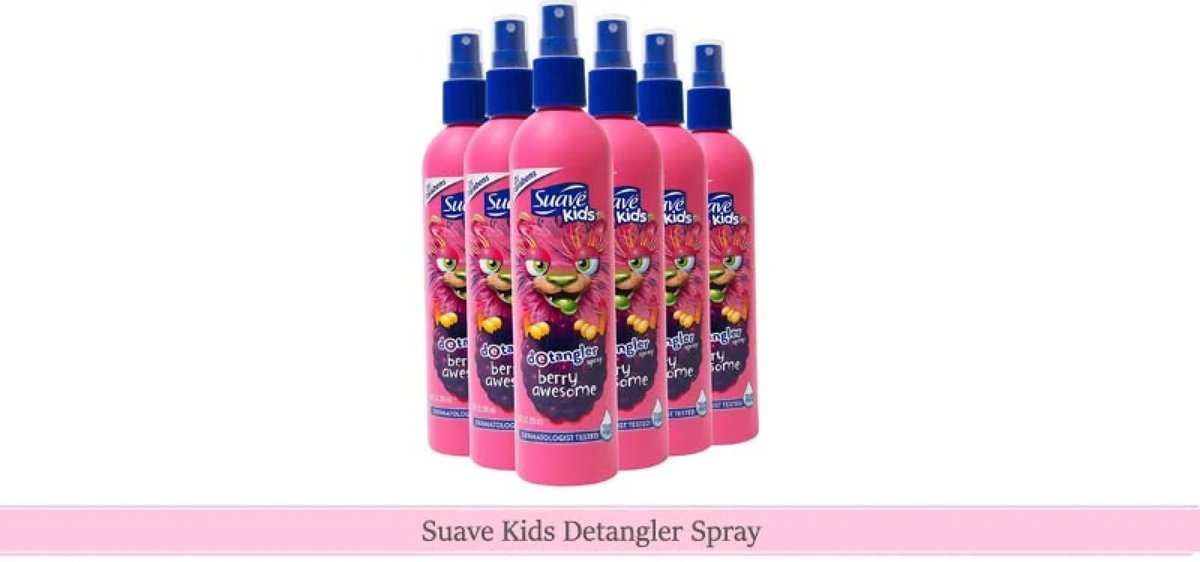
The daily battle against knots in your child's hair can feel like a no-win situation. You're not alone if the mere mention of a brush sends shivers down your child's spine, often resulting in tears, drama, and the dreaded snap of precious strands. Detangling kids' hair doesn't have to be a torturous chore; with the right Kids' Hair Detangling Tips & Products, you can transform this dreaded routine into a manageable, even enjoyable, experience.
Kids' hair is inherently different from adult hair – often finer, thinner, and more susceptible to tangles from their active lifestyles. Throw in a good night's sleep (or lack thereof, causing friction), and you've got a recipe for a truly impressive knot collection. But imagine a world where the brush glides through, leaving soft, smooth hair in its wake, and your child actually cooperates. That world is within reach.
At a Glance: Your Tangle-Taming Toolkit
- Always Detangle Damp Hair: Dry hair is brittle and prone to breakage.
- Start at the Ends: Work your way up to the roots to gently loosen knots.
- Use the Right Tools: Wide-tooth combs and flexible detangling brushes are your best friends.
- Don't Skip Conditioner/Detangler: Moisturizing products are non-negotiable for knot prevention and smooth brushing.
- Regular Trims are Key: They banish split ends that love to knot up.
- Satin Pillowcases: Reduce friction while your little one sleeps.
Why the Tangle Tussle? Understanding Kids' Hair
Before we dive into solutions, let's understand the enemy: the knot. Why does children's hair seem to tangle so much more easily than ours?
- Finer, Thinner Strands: Children's hair typically has a smaller diameter and is often less dense than adult hair, making it more delicate and prone to intertwining.
- Active Lifestyles: Running, jumping, rolling on the floor – all this movement creates friction, which is the perfect storm for tangles. Hair rubs against clothing, toys, and other surfaces, quickly forming knots.
- Hair Type Matters:
- Curly Hair: The natural coil of curly hair makes it more prone to tangling as individual strands wrap around each other.
- Long Hair: More length means more opportunity for knots to form.
- Dry Hair: Lacking moisture, dry hair's cuticles can become rough and lift, making strands snag and tangle more easily.
- Improper Care: Skipping conditioner, using the wrong brush, or brushing dry hair are common pitfalls that exacerbate tangles, leading to pain and breakage.
Understanding these factors is the first step toward building a successful detangling strategy.
The Parent Pitfalls: 5 Common Detangling Mistakes to Avoid
Even with the best intentions, it's easy to fall into habits that make detangling harder for everyone. Let's shine a light on the most common missteps parents make and why they hinder, rather than help:
1. Brushing Dry Hair
The Problem: Imagine trying to untangle a very dry, brittle rope. It snaps, frays, and the knots just get tighter. The same goes for dry hair. Without lubrication, each tug on a tangle causes friction, stress, and eventual breakage, often accompanied by tears.
The Fix: Always detangle damp hair. Water helps to soften the hair, and paired with a good detangling product, it provides the slip needed for knots to release.
2. Using the Wrong Brush or Comb
The Problem: A standard adult brush with stiff bristles can be far too harsh for fine, delicate children's hair and sensitive scalps. It pulls, tugs, and can even tear through knots, causing pain and damage.
The Fix: Invest in kid-specific tools. For fine hair, a wide-tooth comb or a gentle detangling brush with flexible bristles is essential. These tools are designed to glide through hair, minimizing tugging.
3. Skipping Conditioner or Detangler
The Problem: Conditioner and detangling sprays aren't just a nice-to-have; they're non-negotiable for knot-prone hair. Skipping these crucial moisturizing products leaves hair dry, rough, and primed for tangles, leading to a painful detangling experience and increased breakage.
The Fix: Make a nourishing conditioner a staple in your wash routine, and always follow up with a dedicated detangling spray or milk on damp hair. These products create "slip," allowing the comb to move through knots effortlessly.
4. Pulling Through Tangles Too Quickly
The Problem: When you're in a hurry, it's tempting to try and yank through a knot. But this only tightens the tangle, causes immense pain, and leads to significant hair breakage.
The Fix: Patience is paramount. Work slowly and gently. If you encounter a tough knot, apply a little more detangler, use your fingers to gently loosen it, and then proceed with your comb.
5. Starting at the Roots
The Problem: This is perhaps the most common mistake. Starting at the roots means you're pushing all the knots downwards, compacting them into an even larger, more formidable tangle at the ends. It's like trying to untangle a ball of yarn by pulling from the middle – it just gets worse.
The Fix: Always, always start detangling from the tips of the hair and gradually work your way up towards the roots. This method allows you to gently release smaller knots first, preventing them from compounding into bigger problems.
The Gentle Detangling Ritual: How to Navigate Knots Without Tears
Ready to turn the tide? Here’s a step-by-step guide to a tear-free detangling routine that fosters happy hair and happier kids:
1. Pre-Wash Prep with a Nourishing Oil
Before you even reach for the shampoo, consider a pre-wash oil treatment. Massage a gentle, enriching hair oil specifically designed for sensitive strands into your child's scalp and through their hair. This helps to soften existing tangles and provides a protective layer against the drying effects of washing. Let it sit for 5-10 minutes.
2. Gentle Wash Day: Less is More
When it's wash time, opt for a sulfate-free shampoo. Sulfates can strip hair of its natural oils, leading to dryness and more tangles. Follow with a light, moisturizing conditioner, focusing on the mid-lengths and ends of the hair. Avoid overwashing; for most kids, 2-3 times a week is sufficient to keep their hair clean without over-drying it.
3. Pat, Don't Rub: The Towel Dry Technique
After washing, resist the urge to vigorously rub your child's hair with a towel. This rough action creates friction and can immediately lead to new tangles and frizz. Instead, gently pat the hair dry with a soft microfiber towel or an old cotton t-shirt. The goal is damp, not dripping wet, hair.
4. Apply Your Detangling Arsenal
While hair is still damp, it's time for your secret weapon: detangling spray or milk. Spritz a kid-friendly detangling spray generously over the hair, focusing on particularly knotty areas. For thicker or curlier hair, a detangling milk or cream might offer more intense moisture and slip. Use your fingers to gently work the product through the tough knots, giving it a moment to absorb and soften the hair.
5. The Bottom-Up Brush-Out with a Wide-Tooth Comb
Now, arm yourself with a wide-tooth comb or a flexible bristle detangling brush.
Remember the golden rule: start at the ends of the hair and slowly move up toward the roots. Take small sections of hair at a time. If you encounter a knot, hold the section of hair above the knot to minimize tugging on the scalp as you gently work through it. Imagine combing a small section of about 2-3 inches at the very bottom, then moving up to the next 2-3 inches, and so on. This methodical approach minimizes tugging and breakage. For a deeper dive into mastering the art of tangle-free hair, check out Our complete Tangle Max guide.
6. Style Gently or Let it Be
Once the hair is detangled, opt for styles that won't contribute to new knots. Loose braids, gentle ponytails, or leaving hair loose are great options. Avoid tight styles that pull on the scalp or cause tension, as this can lead to discomfort and damage.
Tangle-Free Tomorrow: Everyday Habits for Happy Hair
Detangling isn't just about what you do after the fact; it's about preventative care. Here are daily habits that contribute to consistently smoother, happier hair:
- Stick to a Routine: Consistency is key. Regular gentle brushing, oiling (if suitable for your child's hair type), and conditioning prevent knot build-ups. A quick, gentle brush-through morning and night can make a huge difference.
- Embrace Satin Pillowcases: Cotton pillowcases can create friction as your child tosses and turns at night, leading to tangles and frizz. Switching to satin or silk pillowcases significantly reduces this friction, helping hair stay smoother overnight.
- Trim Hair Regularly: Split ends are notorious for creating tangles. They catch on other strands, making knots worse and harder to remove. Schedule trims every 8-10 weeks to keep ends healthy and prevent this issue.
- Focus on Hydration + Diet: Healthy hair starts from within. Ensure your child drinks plenty of water, and that their diet is rich in vitamins and minerals, especially those found in fruits, vegetables, and lean proteins. These nutrients support strong, healthy hair growth.
- Teach Gentle Brushing Habits: Empower your child by teaching them how to brush their own hair gently, always starting from the tips. Making them part of the process can reduce resistance and build good habits early on.
Navigating the Detangler Aisle: Your Product Guide
The market is flooded with detangling products, but not all are created equal. Choosing the right detangler and tools can make or break your routine.
What to Look for in a Kids' Detangler:
- Hair Type: Does your child have thick, wavy, fine, or curly hair? Some detanglers excel at providing slip for thick curls, while others are light enough for fine strands without weighing them down.
- Wet Hair vs. Dry Hair Effectiveness: Many detanglers work best on damp hair. If you need a quick touch-up for dry hair, ensure the product explicitly states it's effective for both.
- Fragrance Sensitivity: Scents can be a big deal for kids (and parents!). Some detanglers have strong, lingering smells, while others are light and natural. Consider your child's preference and any sensitivities.
- Ingredients: Look for sulfate-free, paraben-free formulas, and ideally, those with nourishing ingredients like argan oil, coconut oil, or plant extracts.
Top Detangler Picks for Kids in 2026 (Based on Testing & Feedback):
Here’s a rundown of popular options, highlighting their strengths and what to consider:
Sprays & Milks: The Slip-Makers
- Baby Bum Conditioning Detangler:
- The Scoop: A standout for its pleasant coconut oil scent and ability to leave hair soft and smooth. It effectively detangles even messy hair and is quite affordable.
- Best For: Everyday use, good all-around performance, pleasant scent.
- Pantene Gold Series Detangling Milk Hair Treatment:
- The Scoop: From a trusted brand, this detangling milk is a powerhouse. It leaves hair incredibly soft and smooth, working well across all hair types. Infused with argan oil, it moisturizes, strengthens, and fights frizz. It's also sulfate and dye-free.
- Best For: All hair types, especially those needing extra moisture, strengthening, and frizz control. Apply two pumps to ends and work bottom-up.
- Aussie Kids Detangler:
- The Scoop: Appealing to kids with its animated character packaging, this detangler is effective and leaves no residue. It has a forceful, focused spray.
- What to Know: It's best on wet hair, and some users find its smell a bit overbearing, so test for fragrance sensitivity.
- Honest Conditioning Detangler:
- The Scoop: Praised for its sweet orange vanilla scent.
- What to Know: The spray can be quite pointed, meaning you might need to use a lot for full coverage, making it pricier for the amount needed. Its effectiveness on tough knots or dry hair can be limited.
- SheaMoisture Kids Extra-Moisturizing Detangler:
- The Scoop: Features a pleasant scent and plant-based ingredients, avoiding harmful chemicals. Leaves hair soft and shiny.
- What to Know: The wide, light spray means you might need a substantial amount, especially on thicker hair, which can sometimes leave a residue. Potentially better suited for thin and fine hair types.
- California Baby Calming Hair De-Tangler:
- The Scoop: A light, plant-based option with natural ingredients, essential oils, and flower extracts, giving a light, citrusy smell.
- What to Know: Its effectiveness on tough knots was "just okay" on both wet and dry hair, often requiring significant amounts. It's a pricier choice, and its additional benefits might not justify the cost unless natural ingredients are your absolute top priority.
- Johnson's No More Tangles:
- The Scoop: An affordable, classic choice.
- What to Know: Its wide spray often requires significant reapplication, especially on dry hair, and can leave a fair amount of residue. Some find the strong scent undesirable.
- CVS Hair Detangling Spray:
- The Scoop: Effective on knots.
- What to Know: The "Tear Free" claim wasn't universally met, and it sometimes left residue. The spray was wide and heavy, initially feeling a bit sticky. Fragrance was neutral and didn't linger.
Brushes & Combs: Your Essential Tools
- Lily England Detangler Brush:
- The Scoop: A highly popular choice with over 25,000 reviews and 4.4 stars on Amazon. It works on all hair types (wet, dry, fine, curly) and is designed to glide through hair quickly. It features over 400 flexing bristles that are gentle on the scalp, significantly reducing pain and breakage. It has a comfortable handle and comes in multiple colors, making it appealing to kids.
- Best For: Universal use, minimizing pain and breakage, appealing design.
- Wide-Tooth Comb:
- The Scoop: A timeless classic, perfect for initial detangling, especially on very wet or curly hair. The wide spacing of the teeth helps to gently separate strands without snagging.
- Best For: First pass detangling, curly hair, very wet hair.
How to Use Detangler for Best Results:
- Towel Dry Before Applying: Most detanglers perform optimally on towel-dried hair, not dripping wet hair. This allows the product to absorb better and leads to less residue.
- Detangle From the Bottom Up: Always start at the ends of the hair and work your way up to the roots in small sections. This is the single most effective way to avoid pain and prevent knots from tightening.
Common Questions, Clear Answers
Q1. What age can I start using detangling spray on my child?
Most experts recommend starting around 2–3 years old. At this age, children's hair is typically developed enough, and they often begin to have longer hair that's more prone to tangles. Always opt for gentle, child-safe formulas specifically designed for young ones.
Q2. My child has curly hair – how often should I detangle?
Curly hair benefits significantly from daily light detangling, ideally when damp. This helps prevent major knots from forming and keeps the curls defined and healthy. You don't necessarily need a full wash every day, but a spritz of water and detangler can work wonders.
Q3. What’s the best brush for kids with long hair?
For kids with long hair, a wide-tooth comb or a flexible bristle detangling brush designed for sensitive scalps is your best bet. These tools are engineered to minimize tugging and glide through lengthy strands without causing pain or breakage.
Beyond the Bottle: Holistic Approaches to Hair Health
While products are incredibly helpful, remember that overall hair health plays a huge role in preventing tangles. A healthy diet rich in vitamins (like Biotin and Vitamin E), adequate hydration, and protecting hair from harsh elements (like excessive sun or chlorine) all contribute to stronger, smoother hair that's less prone to knotting. Think of these as foundational elements that make all your detangling efforts even more effective.
Turning Tangles into Triumphs
Detangling kids' hair doesn't have to be a source of daily frustration. By understanding why knots form, avoiding common pitfalls, embracing a gentle, step-by-step routine, and selecting the right products and tools, you can transform the experience. Imagine the relief, the smiles, and the confidence that comes with consistently soft, smooth, and tangle-free hair. It's more than just a hair routine; it's an opportunity to teach self-care, patience, and make a positive connection with your child. So, arm yourself with knowledge, choose your weapons wisely, and prepare to conquer those tangles, one gentle stroke at a time.