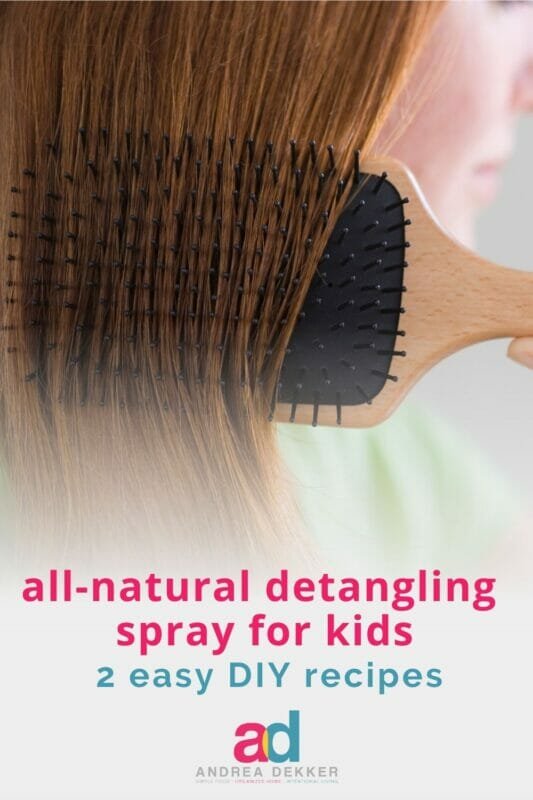
The dread of a tangled mess in your hair is a universal experience, capable of turning a peaceful wash day into a battle of wills. Whether it's post-sleep snarls, wind-blown knots, or the unique challenges of textured hair, finding a gentle, effective solution is paramount. This guide dives deep into the world of Natural & DIY Detangling Remedies, offering you a comprehensive roadmap to unlock smooth, tangle-free hair without resorting to harsh chemicals or painful tugging. Get ready to transform your hair care routine with remedies that are not just effective, but also nourishing and kind to your strands.
At a Glance: Your Guide to Natural Detangling
- Ditch the harsh chemicals: Commercial detanglers often contain questionable ingredients; natural alternatives offer a safer path.
- Understand your tangles: Matted hair can be caused by various factors, from sleeping wet to neglecting regular brushing.
- Embrace patience: Gentle, bottom-up detangling is key to preventing breakage.
- Harness nature's power: Oils (coconut, argan, olive), aloe vera, honey, and avocado are potent detanglers and conditioners.
- Tools matter: Always opt for a wide-tooth comb or a dedicated detangling brush.
- Prevention is paramount: Regular brushing, protective styles, and silk pillowcases minimize future tangles.
- Know when to seek help: Severely matted hair might require professional assistance.
Why Go Natural? The Hidden Truth About Commercial Detanglers
Before we dive into the bounty of nature, let's understand why many are turning away from conventional hair detanglers. For years, sleek packaging and promises of instant smoothness have made commercial products a staple. However, a closer look at their ingredient lists often reveals a cocktail of chemicals with ambiguous long-term effects.
Many commercial detanglers contain ingredients like Propylene Glycol, Polysorbate 20, Amodimethicone, and various forms of "Fragrance." While these might provide immediate slip and manageability, the cumulative impact of some of these chemicals is a growing concern. "Fragrance," for instance, is a proprietary term that can conceal a blend of potentially sensitizing or toxic chemicals. Moreover, parabens, often used as preservatives, are endocrine disruptors, mimicking estrogen and sometimes linked to health issues. Phthalates, another common additive, have been associated with a range of health concerns by organizations like the Environmental Working Group (EWG).
These ingredients aren't just rinsed away; some can linger on your hair and scalp, potentially leading to sensitivity, irritation, or even prolonged systemic effects. By choosing natural and DIY detangling remedies, you're not just smoothing your hair; you're safeguarding your health and ensuring that what you put on your body is as clean and wholesome as what you put in it. Tools like the EWG Skin Deep Database can be invaluable resources for finding safer products, even if you’re not making everything from scratch.
Understanding Your Tangles: Why Hair Gets Knotted
Before you can detangle effectively, it helps to understand why your hair gets tangled in the first place. Tangles and mats aren't just random acts of follicular rebellion; they're often a result of friction, dryness, and neglect.
- Friction: This is the most common culprit. Sleeping on cotton pillowcases, vigorous towel drying, scarves rubbing against your neck, or even constant movement can cause hair strands to rub against each other, leading to knots.
- Sleeping with Wet Hair: A notorious tangle-creator. Wet hair is more fragile and prone to matting as it dries in distorted positions.
- Lack of Regular Brushing/Combing: Skipping your daily detangling allows small knots to accumulate and intertwine, eventually forming larger, more stubborn mats.
- Dryness: Dehydrated hair lacks the elasticity and smoothness to glide past other strands. Instead, it snags, tangles easily, and is more prone to breakage.
- Hair Texture: Certain hair types, especially curly, coily, or fine hair, are naturally more prone to tangling due to their structure. Curls can easily intertwine, while fine hair is delicate and quick to knot.
- Split Ends & Damage: Damaged cuticles, often from heat styling or chemical treatments, are rough and 'catch' onto other strands, exacerbating tangles.
By identifying the root cause of your tangles, you can better implement preventative measures alongside your detangling routine.
The Golden Rules of Gentle Detangling
Whether you're tackling a minor snarl or a significant mat, a gentle, systematic approach is your best friend. Patience isn't just a virtue here; it's a necessity.
- Work from the Bottom Up: Always start detangling at the very ends of your hair, working your way up towards the roots. Trying to comb from the roots down will only push knots further down, tightening them and increasing breakage.
- Section Your Hair: This is crucial, especially for thicker or longer hair. Divide your hair into manageable sections (4-8 sections, depending on thickness) and clip them up. Work on one section at a time.
- Apply a Detangling Agent Generously: Whether it's a natural oil, a DIY spray, or a mask, ensure the tangled area is thoroughly saturated. This provides slip, allowing the strands to separate more easily.
- Choose the Right Tools: A wide-tooth comb or a detangling brush is non-negotiable. Avoid regular brushes, particularly on matted hair, as they can rip through strands.
- Be Patient, Be Slow: Haste makes waste, especially when it comes to detangling. Take your time, breathe, and gently tease out knots using your fingers first, then your comb/brush.
- Know When to Stop: If you encounter extreme resistance or pain, don't force it. Re-apply your detangling agent, let it sit longer, or consider if the hair needs more time to absorb the product.
Your DIY Detangling Arsenal: Top Natural Remedies
Nature offers a treasure trove of ingredients that can act as incredibly effective detanglers, conditioners, and emollients. Here are some of the best natural remedies to include in your detangling routine:
Nourishing Oils for Ultimate Slip
Natural oils are powerhouses for detangling because they provide excellent slip, moisturize dry strands, and often boast additional benefits like strengthening or promoting shine.
- Coconut Oil: A true all-rounder. Coconut oil is fantastic for penetrating the hair shaft, providing deep moisture, and offering incredible slip for detangling. For severe mats, apply generously and let it sit for a few hours or even overnight. It’s also known for its antibacterial and antifungal properties, making it great for scalp health.
- Argan Oil: Often called "liquid gold," argan oil is rich in vitamins and antioxidants. It's lighter than coconut oil but still provides excellent conditioning and slip, making it ideal for finer hair or as a daily leave-in.
- Olive Oil: A kitchen staple with hair benefits! Olive oil is deeply moisturizing and provides significant slip for detangling. It's particularly good for dry, thick, or coarse hair.
- Jojoba Oil: Mimicking the natural sebum of your scalp, jojoba oil is excellent for all hair types. It helps balance scalp oil production while conditioning and providing slip.
- Sweet Almond Oil: Lightweight and rich in Vitamin E, sweet almond oil adds shine and softness while helping to loosen knots without weighing hair down.
How to Use Oils: Apply a generous amount to the tangled sections of your hair. Use your fingers to work it into the knots. For stubborn tangles, allow the oil to penetrate for at least 30 minutes, or even overnight, before gently combing through.
Conditioning Agents: Beyond Just Slip
These ingredients go beyond simple lubrication, offering deep conditioning and repair alongside their detangling properties.
- Aloe Vera: This miraculous plant gel is a natural humectant, meaning it draws moisture from the air into your hair. It provides fantastic slip, soothes the scalp, and promotes hair health. It's lightweight and non-greasy, making it perfect for all hair types.
- Honey: A natural humectant and emollient, honey helps attract and retain moisture in your hair. When mixed with other ingredients (like oils or conditioner), it adds incredible softness and makes hair more pliable, aiding in detangling.
- Avocado: Rich in vitamins A, D, E, and B6, as well as protein and amino acids, avocado deeply nourishes and moisturizes hair. Mashed avocado, often combined with olive oil or honey, creates a rich, detangling hair mask.
- Banana: Excellent for dry, damaged hair, bananas are packed with potassium, vitamins, and natural oils that soften hair, improve elasticity, and help in detangling. Blend thoroughly to avoid chunks in your hair!
- Plain Yogurt: The lactic acid in yogurt gently cleanses the scalp and helps to smooth the hair cuticles, making strands easier to detangle. The fats and proteins also provide conditioning.
Apple Cider Vinegar (ACV) Rinse: The Finishing Touch
While not a direct detangler, an ACV rinse can significantly improve hair's manageability and shine, making future detangling easier. ACV helps to balance your hair's pH, smooth the cuticle, and remove product buildup, leading to less frizz and fewer tangles.
How to Use ACV: After shampooing and conditioning, dilute 1-2 tablespoons of ACV in a cup of water. Pour it over your hair and scalp, let it sit for a minute or two, then rinse thoroughly.
Crafting Your Own Detangling Elixirs: DIY Recipes
Ready to get hands-on? Here are some simple yet effective DIY recipes for natural detangling.
1. Simple Oil Blend Detangling Pre-Poo
This is perfect as a pre-shampoo treatment to loosen tangles before washing.
Ingredients:
- 2 tablespoons coconut oil (melted if solid)
- 1 tablespoon olive oil
- 5-10 drops essential oil (e.g., lavender for soothing, rosemary for growth – optional)
Instructions:
- Mix all ingredients thoroughly in a small bowl.
- Section your dry or slightly damp hair.
- Generously apply the oil blend to your tangled sections, focusing on the knots.
- Gently work the oil in with your fingers.
- Cover your hair with a shower cap and let it sit for at least 1-2 hours, or even overnight for severe mats.
- Slowly and gently detangle with a wide-tooth comb from the ends up.
- Shampoo and condition as usual. You might need to shampoo twice to remove all the oil.
2. Aloe Vera & Conditioner Detangling Spray
A lightweight, leave-in spray that provides slip and moisture. Great for daily touch-ups or damp detangling.
Ingredients:
- 1/2 cup distilled water
- 1/4 cup pure aloe vera gel (ensure it’s pure, not cosmetic aloe vera lotion)
- 1-2 tablespoons of your favorite natural, silicone-free conditioner
- 1 teaspoon natural oil (e.g., argan or jojoba)
- Optional: 5-10 drops essential oil for scent/extra benefits
Instructions:
- Combine all ingredients in a spray bottle.
- Shake well to combine.
- Spray liberally onto damp or dry tangled hair.
- Gently detangle with your fingers or a wide-tooth comb.
- Shake well before each use. Store in the refrigerator for up to 1-2 weeks.
3. Nourishing Avocado Hair Mask for Deep Conditioning
This mask is ideal for severely dry or matted hair, offering deep moisture and making it incredibly soft and manageable. This is one of our go-to DIY hair mask recipes for its intense benefits.
Ingredients:
- 1 ripe avocado, mashed
- 2 tablespoons olive oil
- 1 tablespoon honey
Instructions:
- Mash the avocado thoroughly until completely smooth (no chunks!).
- Stir in the olive oil and honey until well combined.
- Apply the mask generously to clean, damp, sectioned hair, ensuring all tangles are coated.
- Cover with a shower cap and leave on for 30 minutes to an hour.
- Gently rinse with lukewarm water, working out any remaining avocado bits.
- Follow with a light conditioner if needed, then detangle very carefully.
4. Honey & Olive Oil Deep Treatment
A fantastic pre-shampoo or overnight treatment for added softness and detangling power.
Ingredients:
- 1/4 cup olive oil
- 2 tablespoons honey
Instructions:
- Gently warm the olive oil (do not boil!) – a double boiler or microwave for 10-15 seconds works well.
- Mix in the honey until well blended.
- Apply to dry, sectioned hair, focusing on tangled areas.
- Cover with a shower cap and leave on for 30 minutes to several hours.
- Gently detangle, then shampoo and condition.
Beyond Products: Essential Tools & Techniques
While the right remedies are crucial, the tools you use and your technique are equally important in the detangling process.
The Right Tools for the Job
- Wide-Tooth Comb: This is your primary detangling tool. The wide spaces between the teeth prevent snagging and tearing, making it ideal for working through knots gently.
- Detangling Brush: Brushes specifically designed for detangling, such as those with flexible bristles, can be incredibly effective. They're designed to flex over knots rather than pull them, minimizing breakage. Brands like Wet Brush or Tangle Teezer are popular examples.
- Your Fingers: Don't underestimate the power of your own digits! Fingers are often the gentlest way to initially separate large tangles and feel for resistance without causing damage. Always start with your fingers before moving to a comb or brush.
Wet, Damp, or Dry? The Detangling Dilemma
The ideal state for detangling depends on your hair type and the severity of the tangles.
- Damp Hair (Most Recommended): For most hair types, especially curly and coily, detangling damp hair is best. Hair is more elastic when damp, allowing for easier manipulation. Always apply your detangling product (oil, conditioner, spray) before detangling.
- Dry Hair (For Severe Matting): If you have severely matted hair, it's often recommended to apply a generous amount of oil or a detangling spray to dry hair first. Let it sit and soften the knots before attempting any combing. This prevents further tightening of the knots that can occur if you wet them too soon. Once the knots are softened, you can then proceed with damp detangling.
- Wet Hair (Use Caution): While some people detangle in the shower with conditioner, wet hair is at its most fragile state. If you detangle completely wet, be extra gentle and use a product with ample slip. For fine or easily broken hair, stick to damp detangling.
Prevention is the Best Medicine: Keeping Tangles at Bay
An ounce of prevention is worth a pound of detangling cream. Incorporating these habits into your daily routine can dramatically reduce future tangles and mats. Building strong hair health foundations is key to preventing tangles.
- Regular Brushing/Combing: This seems obvious, but consistent, gentle detangling is crucial. Brush or comb your hair daily, or every few days for curly/coily textures, to prevent small knots from becoming big problems. Remember: always brush from the ends up!
- Protective Hairstyles: Braids, twists, buns, or ponytails (not too tight!) can protect your hair from friction and environmental elements that cause tangles. This is especially helpful while sleeping or engaging in activities that might cause your hair to move a lot. For those with textured hair, exploring various curly hair care guides can provide many protective styling options.
- Silk Pillowcases or Bonnets: Cotton creates friction, leading to tangles and frizz. Switching to a silk or satin pillowcase, or wrapping your hair in a silk scarf or bonnet at night, significantly reduces friction, keeping your hair smoother and less prone to knots.
- Moisture, Moisture, Moisture: Dry hair is tangle-prone hair. Use leave-in conditioners, hair milks, or a light natural oil daily or as needed to keep your hair hydrated and pliable.
- Trim Split Ends Regularly: Damaged, split ends are rough and act like Velcro, snagging onto other strands. Regular trims (every 8-12 weeks) remove these culprits, keeping your hair smoother and less prone to tangles.
- Avoid Heat Styling on Tangled Hair: Never use heat styling tools on hair that has tangles. The heat will set the knots, making them even harder to remove and causing significant damage.
- Hydrate from Within: Drinking enough water contributes to overall hair health, including its elasticity and ability to resist tangles.
Common Concerns & Smart Solutions
Even with the best natural remedies, detangling can raise questions. Here are answers to some frequent concerns:
Will Natural Detangling Cause Breakage?
Minimal hair loss is normal during detangling, as you're shedding hairs that have naturally come loose (we lose 50-100 hairs daily). However, excessive breakage indicates a technique issue. To minimize breakage:
- Always use ample detangling product for slip.
- Work in small sections.
- Start from the ends and move up.
- Use a wide-tooth comb or detangling brush, never a regular brush on tangled hair.
- Don't force the comb through knots; gently tease them apart.
Addressing the root causes of hair breakage is crucial.
How Long Does Detangling Severely Matted Hair Take?
For severely matted hair, it can take several hours, or even multiple sessions, to detangle it safely. Patience is truly the most important ingredient. Don't rush, and take breaks if your arms or hands get tired, or if you feel frustrated.
Can I Detangle Without Any Products?
While technically possible with extreme patience and a wide-tooth comb, it is highly discouraged for anything more than minor snarls. Without products to provide slip, you risk significant breakage and pain. Always use a detangling agent for protection.
Will Detangling Alter My Hair's Natural Texture or Curl Pattern?
If done gently and correctly, detangling should not significantly alter your natural hair texture or curl pattern. The key is to work with your hair's natural curl clumps rather than against them. Aggressive pulling or using the wrong tools can temporarily stretch or disrupt curls.
What if it Hurts?
Pain is a signal to stop. If you're experiencing discomfort, it means you're pulling too hard. Re-evaluate your technique: add more detangling product, section your hair into smaller pieces, and slow down your movements. Detangling should be a gentle, pain-free process.
When to Call a Pro
While natural and DIY remedies are incredibly effective for most tangles, there are instances when professional help is warranted:
- Extreme Matting: If your hair is severely matted to the point where it feels like a solid block, or if you've been working on it for hours with no progress, a professional stylist specializing in detangling (especially for natural hair) has the expertise and tools to help.
- Sensitive Scalp/Pain: If the detangling process is consistently causing you severe pain or scalp irritation, a professional can offer a more comfortable solution.
- Time Constraints: If you simply don't have the hours required to tackle a significant mat yourself, a stylist can save you considerable time and frustration.
Don't feel ashamed to seek professional guidance. Sometimes, a fresh pair of expert hands is exactly what's needed to salvage your strands.
Embrace Your Natural Hair Journey
Embracing natural and DIY detangling remedies isn't just about getting rid of knots; it's about fostering a deeper connection with your hair. It's about understanding its needs, nourishing it with wholesome ingredients, and treating it with the patience and respect it deserves. By integrating these practices into your routine, you're not just achieving smoother hair; you're cultivating healthier hair from the inside out.
The journey to smooth, tangle-free hair is ongoing, but with the power of nature and a mindful approach, you'll find it's a journey well worth taking. Keep experimenting with ingredients and techniques, listen to what your hair tells you, and enjoy the beauty of naturally managed locks. Want to learn more about comprehensive hair care? Explore our Tangle Max hub.