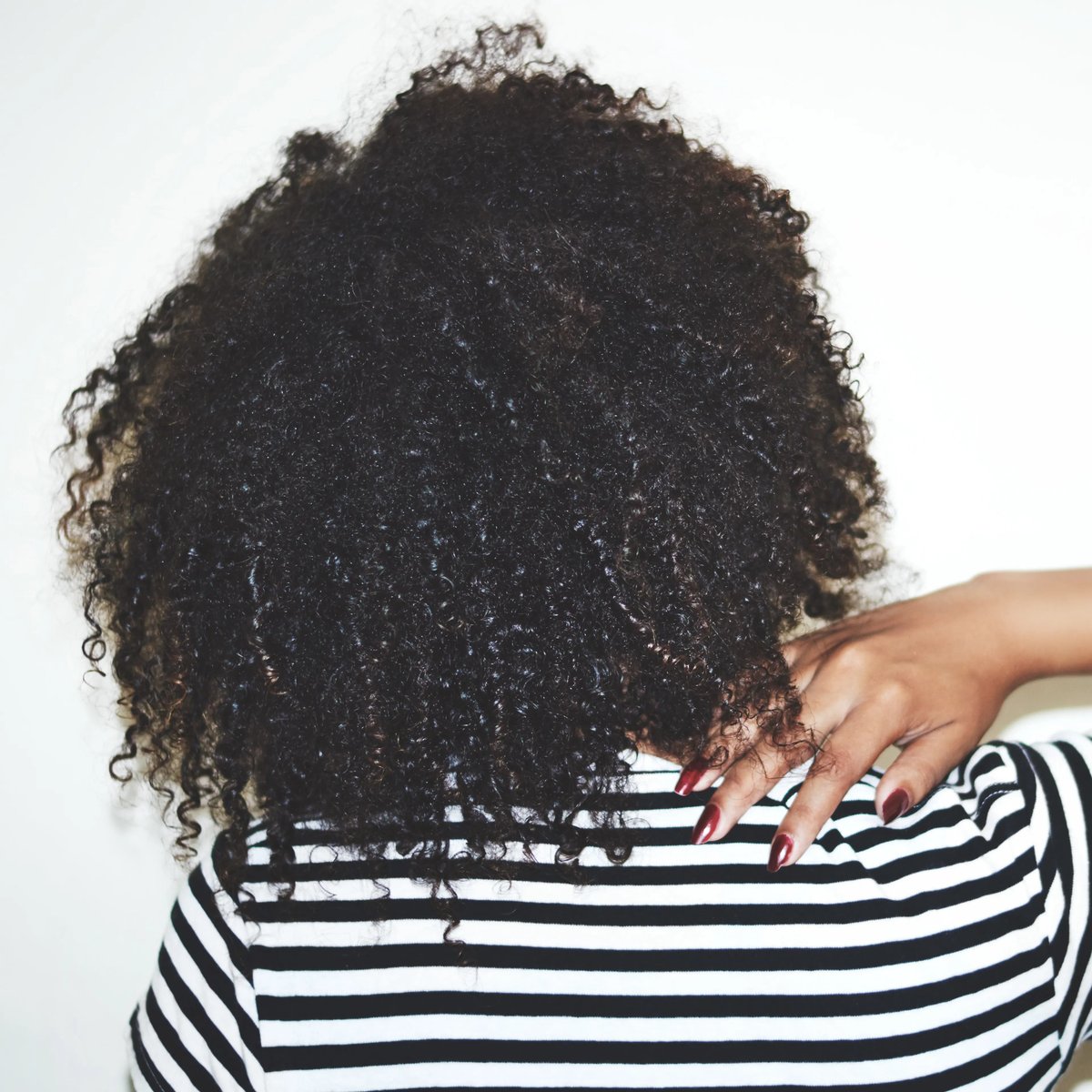
If you’ve ever woken up with a bird’s nest for a head, or watched helplessly as your hair transformed into a tangled mess the moment water hit it, you know the struggle is real. Hair tangles aren't just annoying; they're a leading cause of breakage, frizz, and overall hair damage. The good news? Preventing hair tangles overnight and after washing is entirely achievable with a few smart adjustments to your routine. It’s not about magic, but about understanding your hair and treating it with the gentle care it deserves.
This isn't just about smooth hair; it's about healthier hair that retains its shine, strength, and integrity. We're going to dive deep into practical, actionable strategies that will transform your hair from a knotty nightmare into a manageable, silky dream.
At a Glance: Your Tangle-Prevention Toolkit
- Pre-Wash Detangle: Always comb before wetting.
- Section & Conquer: Divide hair into manageable sections for washing.
- Downward Flow: Wet, shampoo, and rinse hair in the direction of growth.
- Condition Smart: Apply conditioner mid-lengths to ends, then detangle gently.
- Hydrate Relentlessly: Use leave-ins, deep conditioners, and hair oils.
- Protective Styles: Braid, bun, or twist hair loosely before bed.
- Silk/Satin Sleep: Switch to smooth pillowcases or wear a bonnet.
- Trim Regularly: Get rid of split ends that act like Velcro.
- Patience is Key: Detangle gently, from ends upwards, with a wide-tooth comb.
Understanding the Enemy: Why Hair Tangles in the First Place
Before we arm you with solutions, let’s quickly understand what causes those frustrating knots. Tangles are essentially individual hair strands crisscrossing, intertwining, and then tightening into knots. Several factors contribute to this:
- Friction: This is the big one. Whether it’s your hair rubbing against a cotton pillowcase, a towel, or even itself during vigorous washing, friction raises the hair’s outer layer (the cuticle), making strands more likely to snag.
- Dehydration: Dry hair means rougher, lifted cuticles. Imagine two pieces of sandpaper rubbing together – that's dry hair tangling. Well-hydrated hair has smooth, flat cuticles that allow strands to glide past each other.
- Hair Texture: If you have curly, wavy, or coily hair, congratulations – you're inherently more prone to tangles. Your hair's natural bends and spirals create more opportunities for strands to intertwine. Fine hair can also tangle easily due to its delicate nature and tendency to clump.
- Damage & Split Ends: Chemically treated, heat-damaged, or hair with split ends has compromised cuticles. These damaged spots act like tiny hooks, grabbing onto other strands and creating tenacious knots. Think of it as a "velcro effect."
- Length: Simply put, longer hair has more surface area and more opportunities to get tangled. Gravity and movement combine to create a perfect storm for knots.
- Product Buildup: Residue from styling products or even improper rinsing can leave a sticky film on your hair, making it prone to sticking together and tangling.
Now that we know what we're up against, let's tackle these tangle triggers head-on.
Winning the Wash Day Battle: Preventing Tangles After Washing
The shower can feel like a war zone for your hair, turning what should be a cleansing experience into a knotty nightmare. But with the right technique, you can emerge with smooth, manageable strands.
1. The Pre-Wash Prep: Detangle Before You Wet
This step is non-negotiable. Attempting to comb wet, tangled hair is a recipe for breakage. Hair is weakest when wet, so trying to yank a comb through knots will only snap strands.
- How-To: Before stepping into the shower, gently brush or comb through your dry hair. Start from the very ends of your hair, working your way up in small sections. Once the ends are smooth, move a few inches higher and repeat. Continue this until you can easily comb from roots to ends.
- Why It Works: It removes existing knots when your hair is at its strongest, preventing them from tightening and multiplying once wet.
2. Section and Conquer: Divide and Protect
For anyone with long, thick, or curly hair, this step will be a game-changer. Trying to wash one big mass of hair inevitably leads to a tangled mess.
- How-To: After detangling, divide your hair into four or more manageable sections. Secure each section with a loose hair clip or a large, snag-free elastic.
- Why It Works: This prevents strands from mixing and tangling during the washing process. It also ensures that each part of your scalp and hair gets properly cleansed and conditioned.
3. The Gentle Soak: Wet Hair Downwards
The way you introduce water to your hair matters more than you think.
- How-To: Position yourself under the shower spray so water flows down the length of your hair, from roots to ends, in the natural direction of hair growth. Use your fingers to gently separate sections and ensure full saturation from root to tip.
- Why It Works: Flipping your head upside down or gathering your hair on top of your head while wetting it immediately creates a tangled jumble. Flowing water downwards keeps the hair cuticles flat and prevents strands from getting snarled.
4. Shampoo the Scalp, Not the Strands
Many people make the mistake of scrubbing shampoo aggressively into their hair, especially the ends. This is a primary culprit for tangles and dryness.
- How-To: Apply a small, quarter-sized amount of sulfate-free shampoo to your palms and distribute it directly onto your scalp within one section. Gently massage your scalp with the pads of your fingers in circular motions. There's no need to scrub the hair ends; as you rinse, the suds will flow down and cleanse the length of your hair sufficiently.
- Why It Works: Your scalp is where oil and product buildup accumulate. Your hair ends are the oldest and most fragile parts of your hair, easily dried out and tangled by harsh scrubbing. A gentle scalp-focused wash cleanses effectively without causing damage or knots.
5. Rinse with Care: Keep the Flow Going
Just like wetting, rinsing requires a gentle, downward approach.
- How-To: Tilt your head back slightly and guide the water and shampoo downwards from roots to ends. Avoid flipping your hair over your head or aggressively scrunching it. Ensure all shampoo is thoroughly rinsed out from each section.
- Why It Works: This prevents new tangles from forming and ensures no residue is left behind, which can weigh hair down and make it feel sticky.
6. Squeeze, Don't Wring: Prepare for Conditioner
Your hair needs to be primed to absorb conditioner effectively.
- How-To: Before applying conditioner, gently squeeze excess water from each section of your hair, working from roots to ends. Do not twist or wring your hair aggressively.
- Why It Works: Removing excess water prevents the conditioner from becoming too diluted, allowing it to penetrate and hydrate your hair more efficiently.
7. Conditioner is Your Detangling Ally
Conditioner provides the "slip" needed to gently detangle hair without breakage.
- How-To: Apply a generous amount of conditioner primarily from the mid-lengths to the ends of your hair, where it's most prone to tangling and dryness. Avoid applying large amounts directly to the scalp, which can lead to oiliness. Work the product through with your fingers, ensuring every strand is coated.
- Why It Works: Conditioner smooths the hair cuticle, making strands slippery and easier to separate.
8. Detangle in the Shower, with Conditioner On
This is your prime opportunity to tackle any remaining knots gently.
- How-To: While your hair is fully coated with conditioner, start by finger-detangling any large knots. Then, take a wide-tooth comb or a detangling brush, and starting from the ends, gently work your way up to the roots, section by section. If you encounter resistance, add a little more conditioner and gently work it through.
- Why It Works: The conditioner provides a protective barrier and lubrication, allowing the comb to glide through knots with minimal pulling or breakage. For those prone to serious tangles, dedicating time to this step makes all the difference. To further explore advanced detangling strategies, you might find more comprehensive techniques in articles like Learn more about Tangle Max.
9. Let It Sit: Deep Conditioning Power
Conditioner isn't just for a quick rinse; it needs time to work its magic.
- How-To: Leave your regular conditioner on for at least 3-5 minutes. If you're using a deep conditioner or hair mask, follow the product instructions, often 10-15 minutes or more.
- Why It Works: This allows the hydrating and softening ingredients to fully penetrate the hair shaft, improving elasticity, moisture, and smoothness, making it less prone to future tangles.
10. The Cool Rinse Finish: Seal the Deal
A final cool water rinse is a simple yet powerful step for smoother hair.
- How-To: Use cooler water for the final rinse. Guide the water downwards from roots to ends, ensuring all conditioner is completely rinsed out.
- Why It Works: Cooler water helps to close and seal the hair cuticles, locking in moisture and leaving your hair smoother, shinier, and significantly less prone to frizz and tangling.
Tangle-Free Mornings: Preventing Hair Tangles Overnight
Waking up with a halo of knots can instantly ruin your morning. But with a few simple nighttime habits, you can dramatically reduce overnight tangles and wake up to smoother, more manageable hair.
The Culprits of Overnight Tangles: Why Your Hair Knots While You Sleep
Understanding these factors is the first step to a solution:
- Friction, Friction, Friction: As you move in your sleep, your hair rubs against your pillowcase. Cotton pillowcases, in particular, create significant friction, roughing up the hair cuticle.
- Dehydration: Dry hair is brittle and has lifted cuticles, making it eager to cling to other strands and any rough surface it encounters.
- Hair Texture & Damage: Just like with washing, naturally curly, wavy, or damaged hair is inherently more susceptible to tangles during sleep.
- Sleeping Position: Stomach or side sleepers often put more direct pressure and friction on their hair throughout the night.
- Lack of Protection: Leaving your hair loose and unprotected allows all these factors to wreak havoc.
Your Nighttime Defense: Strategies for Smooth Mornings
1. Hydration is Your Hair's Best Friend
Moisturized hair is happy hair. It's less prone to friction and has a smoother surface.
- Regular Deep Conditioning: Aim for a deep conditioning treatment or hair mask at least once a week. Look for ingredients like shea butter, argan oil, coconut oil, or hyaluronic acid, which are excellent humectants and emollients.
- Leave-In Conditioner: After washing your hair, apply a good quality leave-in conditioner to damp hair. It locks in moisture, creates a protective barrier against environmental damage, and helps keep cuticles smooth.
- Hydrating Hair Oils: Before bed, especially if your hair feels dry, apply a few drops of a light hair oil (like argan, jojoba, or a blend) to your mid-lengths and ends. This seals moisture, adds shine, and provides a slippery surface to reduce friction against your pillow.
2. Embrace Protective Hairstyles for Sleep
Putting your hair up in a loose, protective style is one of the most effective ways to prevent tangles. The goal is to keep your hair contained and minimize movement and rubbing.
- Loose Braids: A classic for a reason. A single loose braid down your back or two braids on either side of your head will keep your hair contained without tension. Avoid tight braids that can cause breakage at the roots.
- Pineapple Bun (High Bun): This is fantastic for curly or wavy hair, helping to preserve your curl pattern while keeping hair off your neck and shoulders. Gather your hair loosely into a high bun at the very top of your head, securing it with a silk or satin scrunchie. The goal is for your hair to look like the top of a pineapple.
- Loose Twists: Similar to braids, loose twists (especially for textured hair) are excellent for keeping strands together and reducing friction.
- Low, Loose Ponytail (with caution): If other styles aren't comfortable, a very low, loose ponytail at the nape of your neck, secured with a silk or satin scrunchie, can work. Just ensure it's not tight, as tension can still cause breakage.
- Avoid: Don't go to bed with your hair in a tight bun, ponytail, or anything that creates tension, as this can lead to stress on the hair shaft and breakage.
3. Invest in a Silk or Satin Pillowcase
This is arguably one of the most impactful changes you can make for overnight tangle prevention.
- The Problem with Cotton: Cotton fabric has a rougher weave. As you move during sleep, the friction created by cotton tugs at your hair strands, roughing up the cuticles and leading to tangles, frizz, and breakage. Cotton also absorbs moisture, stripping your hair of its natural oils and contributing to dryness.
- The Silk/Satin Solution: Silk and satin have incredibly smooth surfaces. Your hair glides effortlessly over them, drastically reducing friction. This means fewer tangles, less frizz, less breakage, and your hair retains its natural moisture.
- Choosing the Right One: For silk, look for 100% mulberry silk with a momme count between 19-25. For satin, ensure it's high-quality and smooth (often a polyester weave designed to mimic silk's smoothness). While bonnets and wraps offer even more comprehensive protection, especially for very textured hair or restless sleepers, a good pillowcase is a fantastic starting point.
4. Optimize Your Overall Hair Care Routine for Tangle Prevention
Beyond specific washing and overnight habits, some general practices will set your hair up for success.
- Detangle Before Bed (Always): Even if you're putting it into a protective style, gently comb through your hair with a wide-tooth comb or detangling brush before hitting the pillow. This removes any tangles accumulated during the day, ensuring you start with a clean slate.
- Use the Right Tools: A wide-tooth comb is your best friend for detangling both wet and dry hair. For dry hair, a flexible-bristle brush can also be very gentle. Avoid fine-tooth combs or stiff brushes that can snag and pull.
- Avoid Overwashing: Washing your hair too frequently (e.g., daily) can strip it of its natural oils, leading to dryness and increased tangling. Aim for 2-3 times per week, or even less, depending on your hair type and lifestyle, using a gentle, sulfate-free shampoo.
- Regular Trims: Split ends are notorious tangle magnets. They act like little hooks, catching onto other strands. Getting your hair trimmed every 6-8 weeks will remove these damaged ends, keeping your hair healthier and smoother.
- Sleep with Dry Hair: Never go to bed with wet hair. Wet hair is weaker and more elastic, making it highly susceptible to breakage and tangling when rubbed against a pillow. If you absolutely must, loosely braid it and consider a microfiber towel pillowcase to absorb moisture.
When Tangles Still Happen: Gentle Detangling Techniques
Even with the best preventative measures, sometimes a stubborn knot still appears. The key is to address it with patience and the right technique to avoid damage.
- Arm Yourself: Have a detangling spray, leave-in conditioner, or a small amount of regular conditioner readily available.
- Lubricate: Lightly mist or apply a small amount of your chosen product directly to the tangled area. This provides the necessary slip to loosen the knot.
- Section Off: Isolate the tangled section from the rest of your hair to avoid pulling on undamaged strands.
- Start from the Bottom: Holding the hair above the tangle to minimize pulling on your scalp, begin gently working with your fingers or a wide-tooth comb at the very ends of the tangle. Slowly and patiently work your way upwards, teasing out individual strands.
- Patience, Not Force: Never rip or yank. If you meet resistance, reapply product and try again. Breaking strands is far worse than taking an extra minute or two to detangle.
Common Questions & Key Insights About Tangle Prevention
Let's address some of the most frequently asked questions about keeping your hair tangle-free.
What's the best pillowcase for preventing hair tangles?
Hands down, a 100% mulberry silk pillowcase (19-25 momme) or a high-quality, smooth satin pillowcase is best. Their smooth surface dramatically reduces friction compared to cotton, preventing tangles and preserving hair moisture.
What products should I look for to prevent tangles?
Opt for sulfate-free shampoos and conditioners, as sulfates can be drying. Hydrating leave-in conditioners and light hair oils (argan, jojoba, coconut) are excellent for moisture. Detangling sprays are invaluable for loosening knots. Look for products that focus on smoothing and strengthening the hair cuticle.
Should I sleep with wet hair if I have tangles?
No, it's highly recommended to sleep with completely dry hair. Wet hair is more fragile and prone to breakage and tangling. If you must, ensure it's at least damp, not soaking wet, and put it into a very loose braid or use a microfiber towel on your pillow to absorb moisture and reduce friction.
Does my hair type make me more prone to tangles?
Yes, absolutely. Curly, wavy, and textured hair types are inherently more prone to tangles due to their unique structure and tendency for strands to intertwine. Fine hair can also tangle easily because it's delicate and can clump together. However, anyone can experience tangles if their hair is dry, damaged, or mishandled.
How often should I wash my hair to prevent tangles?
Generally, washing 2-3 times per week is sufficient for most hair types. Overwashing can strip your hair of natural oils, leading to dryness and increased tangling. Adjust based on your hair's oil production and lifestyle, but always prioritize gentle, sulfate-free products.
Can diet or stress impact hair tangling?
Yes, your overall health reflects in your hair. A poor diet lacking essential nutrients, or high levels of stress, can negatively affect hair health, leading to dryness, dullness, and increased susceptibility to tangling and breakage. A balanced diet rich in vitamins, minerals, and proteins is crucial for strong, healthy hair.
My split ends are a mess, but I can't get a trim yet. What can I do?
While a trim is the ultimate solution for split ends, you can temporarily mitigate their tangling effect. Focus intensely on hydration with deep conditioners and leave-ins. Use a lightweight hair oil or split end sealing serum on your ends to create a smoother surface and reduce friction. Handle your hair very gently to prevent further damage.
Are silk bonnets/wraps better than silk pillowcases?
Bonnets and wraps offer more comprehensive protection, especially for those with very long, textured, or fragile hair, or for restless sleepers. They fully enclose your hair, preventing any friction from your pillowcase. A silk pillowcase is a great baseline, but a bonnet offers an extra layer of defense.
Does excessive brushing cause tangles?
Yes, aggressive or excessive brushing, especially with the wrong type of brush, can rough up the hair cuticle and even cause tangles and breakage. Always use a wide-tooth comb or a flexible-bristle brush, and detangle gently from the ends upwards. Focus on smoothing, not yanking.
Your Path to Tangle-Free Hair: A Commitment to Care
Preventing hair tangles overnight and after washing isn't a one-time fix; it's a journey of consistent, gentle care. By integrating these strategies into your daily and weekly routine, you're not just preventing knots – you're actively promoting healthier, stronger, and more beautiful hair.
Remember, every strand tells a story, and with these expert tips, your hair's story will be one of smoothness, shine, and effortless manageability. Be patient, be gentle, and watch your hair transform.